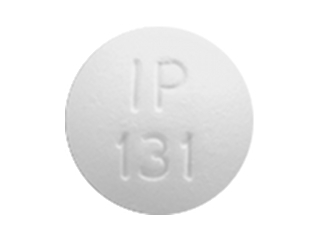
Colchicine (Colchicum autumnale)
Colchicine is an online pharmacy shop offering a focused selection of health products. Our Colchicine product features the active ingredient Colchicum autumnale. Available in a 0.5mg dosage, it is categorized for arthritis support. Explore our curated range for your wellness needs.
Select Dosage
Product Information
Colchicine: Your Definitive Guide to Effective Arthritis and Gout Management for a Pain-Free Life
Arthritis, particularly gout, stands as a formidable adversary, often striking with debilitating pain and inflammation, profoundly impacting daily life. Individuals grappling with these conditions frequently find themselves searching for effective gout treatment solutions that offer rapid relief and sustainable management. The relentless pursuit of comfort and mobility in the face of such chronic pain can be exhausting, leading many to explore various therapeutic options. Understanding the root causes and choosing the right medication is paramount to reclaiming control over one's health and well-being, paving the way for a significantly improved quality of life.
This comprehensive article delves into the profound benefits of Colchicine, a time-honored medication proven to be highly effective in managing and preventing inflammatory conditions like gout and Familial Mediterranean Fever (FMF). We aim to provide an in-depth understanding of its mechanism, proper usage, safety profile, and overall value, empowering you to make informed decisions about your health. If you are seeking reliable information on gout pain relief fast, this guide will illuminate how Colchicine could be the pivotal solution you have been looking for to mitigate your symptoms.
Colchicine, derived from the autumn crocus plant (Colchicum autumnale), has a rich history spanning thousands of years in traditional medicine before its modern pharmaceutical formulation. Its active compounds, known as colchicinoids, are responsible for its potent anti-inflammatory effects. Unlike many conventional pain relievers that merely mask symptoms, Colchicine addresses the underlying inflammatory processes, making it a cornerstone in the treatment of specific rheumatic diseases. Its unique mechanism of action sets it apart, offering targeted relief where other medications might fall short.
The journey to finding optimal relief can be complex, often involving trials with various medications. Many patients explore options like non-steroidal anti-inflammatory drugs (NSAIDs) such as Ibuprofen or Naprosyn, which provide general pain relief but may not specifically target the unique inflammatory pathways of gout. Colchicine offers a distinct advantage by directly interfering with the inflammatory cascade, making it particularly suited for the acute and preventive management of gout attacks, distinguishing it from broad-spectrum anti-inflammatories.
Problem description: The Relentless Burden of Arthritis and Gout
Living with arthritis, especially gout, presents a significant daily challenge, characterized by sudden, excruciating pain and inflammation that can render joints immobile. Gout, a complex form of arthritis, results from the accumulation of uric acid crystals in the joints, triggering intense inflammatory responses. This condition is notoriously unpredictable, with flares often striking without warning, severely disrupting work, social activities, and overall quality of life. The search for effective arthritis medication options becomes an urgent priority for those affected, seeking solace from their persistent discomfort.
The pain associated with an acute gout attack is often described as one of the most severe forms of pain imaginable, frequently affecting the big toe but capable of impacting any joint. Beyond the immediate agony, chronic gout can lead to joint damage and deformity if left untreated, further exacerbating the long-term prognosis. Patients often feel helpless against these relentless attacks, making the discovery of a reliable and potent treatment imperative. The constant threat of a flare-up can instill a sense of dread, limiting engagement in daily activities.
Familial Mediterranean Fever (FMF) represents another debilitating inflammatory condition, characterized by recurrent episodes of fever, abdominal pain, and joint inflammation. Though distinct from gout, FMF also involves uncontrolled inflammatory responses, making effective anti-inflammatory agents crucial for managing its symptoms and preventing long-term complications. Both conditions underscore the critical need for medications that can precisely target inflammation to provide relief and improve patient outcomes. The profound impact on quality of life necessitates proactive and informed treatment choices.
The quest for relief often leads individuals down a path of trying various remedies, from dietary changes to over-the-counter pain relievers, yet many find these insufficient against the intensity of gout or FMF flares. This continuous struggle highlights a pressing need for a medication that not only alleviates the symptoms but also helps in preventing future episodes, thereby offering a sustainable solution. The psychological toll of chronic pain, coupled with physical limitations, can be immense, reinforcing the urgency for effective therapeutic interventions like Colchicine.
General Information about Colchicine
Colchicine is an anti-inflammatory agent recognized for its specific action against microcrystal-induced inflammation, primarily used in the treatment and prevention of gout flares and for the management of Familial Mediterranean Fever (FMF). Its active ingredient, derived from Colchicum autumnale, has been utilized for centuries, attesting to its enduring efficacy. This medication does not directly lower uric acid levels, which is the role of drugs like Allopurinol (marketed as Zyloprim), but rather, it intervenes in the inflammatory process initiated by uric acid crystals, making it a critical component of a comprehensive gout management strategy.
The precise mechanism by which Colchicine exerts its anti-inflammatory effects is complex but primarily involves disrupting microtubule formation, which in turn inhibits the migration and activity of neutrophils—the white blood cells responsible for initiating and propagating inflammation in gout attacks and FMF. By limiting the movement of these inflammatory cells, Colchicine effectively reduces the pain, swelling, and redness associated with these conditions. Understanding how does Colchicine work is crucial for appreciating its targeted therapeutic value.
Beyond its use in gout and FMF, Colchicine has been explored for other inflammatory conditions, reflecting its broad anti-inflammatory potential. Its utility, however, is most firmly established and clinically proven for the conditions mentioned. It is important to remember that while Colchicine can rapidly reduce the symptoms of an acute gout attack, it is not a pain reliever in the same way an NSAID like Indomethacin (often sold as Indocin) would be for general pain, but rather a specific anti-inflammatory for these particular diseases.
The availability of Colchicine in various formulations, including specific dosages like Colchicine 0.5mg, allows for tailored treatment regimens to suit individual patient needs and disease severity. Its well-documented history and proven efficacy make it a trusted choice for healthcare professionals and patients alike. This medication represents a beacon of hope for those whose lives are significantly impacted by the unpredictable and painful nature of gout and FMF, offering a pathway to better disease control and a return to normal activities.
How the Medication Helps: The Targeted Action of Colchicine
The primary way Colchicine helps individuals suffering from gout and FMF is by powerfully disrupting the inflammatory cascade at its source. For gout, when uric acid crystals deposit in a joint, they trigger an immediate and severe inflammatory response involving neutrophils. Colchicine interferes with the ability of these neutrophils to migrate to the site of inflammation and to engulf the uric acid crystals, thereby preventing the release of inflammatory mediators that cause intense pain and swelling. This targeted action is what makes it so effective for managing gout flares and reducing their severity.
In the context of Familial Mediterranean Fever (FMF), Colchicine plays a pivotal role in preventing the recurrent inflammatory attacks characteristic of the disease. While the exact mechanism in FMF is still under investigation, it is believed that Colchicine modulates neutrophil activity and inhibits the activation of the inflammasome, a multiprotein complex responsible for activating inflammatory processes. This preventive capability significantly reduces the frequency and intensity of FMF episodes, improving the long-term prognosis and quality of life for patients. Its efficacy in this specific role underscores its unique pharmacological properties.
Unlike general pain relievers or even other anti-inflammatory drugs that might act broadly, Colchicine's specificity to these crystalline and genetic inflammatory pathways makes it an indispensable tool. It works rapidly to halt an acute gout attack if taken at the first sign of symptoms, often providing relief within hours. This quick response is vital for patients experiencing the incapacitating pain of a flare. For preventative measures, it helps maintain a state of reduced inflammation, effectively warding off future attacks, which is a major concern for individuals seeking long term Colchicine use.
Choosing Colchicine means opting for a medication with a proven track record in directly addressing the inflammatory mechanisms of gout and FMF, rather than merely suppressing symptoms. This targeted approach minimizes the overall inflammatory burden on the body, protecting joints from long-term damage and reducing the systemic impact of chronic inflammation. Its ability to provide both acute relief and preventive benefits solidifies its position as a cornerstone therapy, offering comprehensive management for these challenging conditions, paving the way for sustained well-being and improved daily function.
Benefits of Choosing Colchicine for Your Health
The benefits of incorporating Colchicine into your treatment regimen are substantial, particularly for those battling gout and Familial Mediterranean Fever. One of its most significant advantages is its rapid onset of action during an acute gout attack. Patients often experience noticeable relief from pain and inflammation within 12-24 hours of starting treatment, which is crucial given the severe discomfort associated with flares. This swift intervention can dramatically shorten the duration and intensity of an attack, allowing individuals to return to their normal activities much sooner, emphasizing its value for gout pain relief fast.
Beyond acute relief, Colchicine excels in its preventive capacity. For individuals prone to recurrent gout attacks, a low daily dose can significantly reduce the frequency and severity of future flares. This prophylactic use is critical for long-term gout management, helping to break the cycle of unpredictable and debilitating episodes. Similarly, for FMF patients, consistent Colchicine therapy can prevent or drastically diminish the inflammatory attacks, transforming the lives of those who previously faced chronic discomfort. This preventive aspect is a key differentiator when comparing Colchicine vs allopurinol, as allopurinol is primarily for uric acid reduction, not direct inflammation prevention.
Another crucial benefit is its specificity. While NSAIDs like Motrin (Ibuprofen) or Arcoxia (Etoricoxib) can provide general pain relief, Colchicine's targeted mechanism against crystal-induced inflammation offers a more precise and often more effective solution for gout. This targeted action means fewer systemic side effects compared to some broader anti-inflammatory drugs, making it a valuable option for many patients. Its unique pathway of action makes it suitable for individuals who may not tolerate other anti-inflammatory medications well.
Furthermore, the long-term use of Colchicine for prevention has been shown to be safe and effective when prescribed and monitored by a healthcare professional. By controlling inflammation, it helps protect joints from the cumulative damage that recurrent gout attacks can cause, preserving joint function and mobility over time. This proactive approach to disease management not only alleviates immediate suffering but also contributes significantly to maintaining a higher quality of life in the long run. If you are exploring what is Colchicine used for, its dual role in acute relief and chronic prevention is key.
Safety and Side Effects: Understanding Colchicine
Like all medications, Colchicine is associated with potential side effects, although many individuals tolerate it well, especially at lower, prophylactic doses. The most common side effects are gastrointestinal, including nausea, vomiting, diarrhea, and abdominal cramping. These symptoms are often dose-dependent and can be managed by adjusting the dosage or taking the medication with food. It is crucial to inform your doctor if these side effects become severe or persistent, as dose modification may be necessary. Understanding potential Colchicine side effects is important for informed use.
More serious, though rare, side effects can include bone marrow suppression, leading to a decrease in white blood cells, red blood cells, and platelets. This can increase the risk of infection, anemia, and bleeding. Muscle weakness (myopathy) and nerve damage (neuropathy) are also possible, particularly with prolonged use or in individuals with kidney or liver impairment. Therefore, regular monitoring by a healthcare professional, including blood tests, is essential during treatment, especially for those on long term Colchicine use or with co-existing conditions.
Colchicine has several important drug interactions. It should be used with caution, or avoided, in patients taking certain medications that inhibit its metabolism, such as some antibiotics (e.g., clarithromycin), antifungals (e.g., ketoconazole), and cyclosporine (e.g., Neoral, Cyclosporine). These interactions can significantly increase Colchicine levels in the body, raising the risk of toxicity. Always disclose all medications, supplements, and herbal remedies you are taking to your doctor to prevent adverse interactions and ensure is Colchicine safe for you.
Contraindications for Colchicine use include patients with severe kidney or liver disease, as these conditions can impair the body's ability to clear the drug, leading to accumulation and increased toxicity. It is also generally not recommended during pregnancy or breastfeeding unless the potential benefits clearly outweigh the risks, and under strict medical supervision. Despite these considerations, for suitable candidates, the benefits of Colchicine in managing gout and FMF often far outweigh the risks when used as directed and monitored by a qualified healthcare provider.
Dosage: How to Effectively Use Colchicine
The dosage of Colchicine varies significantly depending on the condition being treated and whether it's for acute flare management or prevention. For an acute gout attack, the typical initial dose is often 1.2 mg at the first sign of a flare, followed by 0.6 mg one hour later. This regimen aims to rapidly halt the inflammatory process. It is crucial not to exceed these recommended doses within a short period to minimize the risk of severe side effects. Always follow your doctor's specific instructions for Colchicine dosage for gout, as individual needs may vary.
For the prevention of recurrent gout attacks, a lower daily dose, typically 0.6 mg once or twice daily, is often prescribed. This prophylactic regimen helps to maintain a consistent level of the medication in the body, effectively suppressing inflammation and reducing the likelihood of future flares. The duration of preventive therapy depends on individual factors, including the frequency of attacks and the success of uric acid-lowering therapy. Your healthcare provider will determine the most appropriate duration for your specific situation. This dosage helps patients seeking to know Colchicine 0.5mg options.
In the treatment of Familial Mediterranean Fever (FMF), Colchicine is typically prescribed as a long-term daily medication, often in doses ranging from 0.6 mg to 1.8 mg per day, divided into one or two doses. The goal in FMF is to prevent inflammatory episodes and minimize the risk of amyloidosis, a serious long-term complication. Adherence to this daily regimen is critical for effective management of FMF. Your doctor will carefully titrate the dose to achieve optimal control with minimal side effects. Its role for Colchicine for FMF is well-established.
It is paramount to take Colchicine exactly as prescribed by your doctor and not to adjust the dose or stop the medication without consulting them. Overdosing can lead to severe and potentially life-threatening toxicity, while abruptly stopping can trigger a relapse of symptoms. Always ensure you understand the instructions thoroughly and ask your pharmacist or doctor if you have any questions about your specific dosage regimen. Proper adherence is the cornerstone of effective and safe treatment with Colchicine, ensuring you gain the maximum therapeutic benefit.
Reviews/Social Proof: Real Experiences with Colchicine
The efficacy of Colchicine is consistently reflected in the positive experiences shared by patients who have found significant relief from their conditions. Many individuals battling gout describe Colchicine as a "game-changer," noting its ability to quickly quell acute attacks that previously left them incapacitated for days. Sarah, a 55-year-old suffering from recurrent gout, shared, "Before Colchicine, every gout flare was a nightmare. Now, if I take it at the first tingle, the attack is often gone within hours, and I can avoid the crippling pain. It truly is the best medication for gout for me."
Patients managing Familial Mediterranean Fever (FMF) also report life-altering improvements. Mark, a 30-year-old with FMF, recounted, "I used to suffer from severe fever and abdominal pain episodes almost monthly. Since starting Colchicine, my attacks are rare, and when they do happen, they are much milder. This medication has given me back my life, allowing me to work and enjoy time with my family without constant worry." These testimonials underscore the profound impact of consistent Colchicine use on chronic inflammatory conditions, providing compelling social proof of its effectiveness.
The feedback from healthcare professionals further reinforces Colchicine's standing as a reliable treatment. Dr. Emily Carter, a rheumatologist, states, "For acute gout and FMF, Colchicine remains a cornerstone therapy. Its targeted anti-inflammatory action is often superior to general NSAIDs for these specific conditions, and with careful dosing, it is well-tolerated by most patients. I frequently recommend it to my patients, especially for prevention." Such endorsements from medical experts add significant weight to the medication's reputation, addressing concerns about Colchicine effectiveness.
Online forums and patient communities frequently feature discussions where individuals express gratitude for the relief provided by Colchicine. While experiences vary, the general sentiment is overwhelmingly positive, particularly regarding its ability to either abort acute flares or significantly reduce their occurrence. Reading Colchicine reviews can offer valuable insights and reassurance to those considering this treatment, highlighting its consistent performance in managing complex inflammatory conditions. The collective voice of satisfied users speaks volumes about its therapeutic value.
Price and Where to Buy Colchicine
The cost of Colchicine can vary depending on your insurance coverage, the specific dosage (e.g., Colchicine 0.5mg), and whether you purchase a generic or brand-name version (like Colcrys). Generally, generic Colchicine is widely available and often quite affordable, making it an accessible treatment option for many patients. Prescription drug plans typically cover Colchicine, but it is always advisable to check with your insurance provider for specific co-pay and coverage details to understand your out-of-pocket expenses. Comparing Colchicine price comparison between pharmacies can also lead to savings.
You can purchase Colchicine at most retail pharmacies with a valid prescription from your healthcare provider. It is essential to obtain a prescription, as Colchicine is a potent medication that requires medical supervision to ensure safe and effective use. Discussing your options with your doctor can help you determine the most cost-effective approach, including whether a generic version is suitable for your condition. Your physician can also provide insights into patient assistance programs if cost is a significant barrier to treatment adherence.
While some may search for where to buy Colchicine online, it is critical to exercise caution when purchasing prescription medications from unregulated online sources. Buying from unverified websites can pose serious health risks, including receiving counterfeit drugs, incorrect dosages, or products that are contaminated or expired. Always prioritize your health and safety by obtaining Colchicine through reputable, licensed pharmacies, either physical or online, that require a valid prescription and adhere to stringent quality standards. Protecting your health means ensuring the authenticity and safety of your medication.
For those seeking the best value, consider checking prices at different pharmacies and inquiring about generic alternatives. Many pharmacies offer discount programs or coupons that can further reduce the cost of your prescription. Ultimately, the priority should be access to safe and effective treatment under medical guidance. Your doctor and pharmacist are your best resources for navigating the pricing and purchasing process, ensuring you receive genuine Colchicine at a manageable cost. Do not compromise on quality or safety for a slightly lower price from an unverified source.
Call to Action: Reclaim Your Comfort with Colchicine
Are you tired of the crippling pain and unpredictable nature of gout attacks or the recurrent inflammatory episodes of Familial Mediterranean Fever? Imagine a life where you can move freely, pursue your passions, and engage with loved ones without the constant threat of debilitating pain. Colchicine offers that promise, delivering targeted anti-inflammatory action to manage and prevent these challenging conditions. Don't let chronic inflammation dictate your life any longer. You deserve effective relief and a return to your optimal well-being. This is your moment to take control.
The decision to seek effective treatment is the first step towards a healthier, more comfortable future. If you are experiencing symptoms of gout or FMF, or if your current treatment is not providing adequate relief, it is time to have an open and honest conversation with your doctor. Discuss whether Colchicine is the right medication for you, considering your specific health profile, medical history, and any other medications you may be taking. Your healthcare provider can assess your needs and prescribe the appropriate dosage and regimen, guiding you towards lasting relief.
Empower yourself by exploring the proven benefits of Colchicine. With its long history of efficacy and targeted action, it stands as a reliable ally in the fight against inflammatory pain. Make the proactive choice to improve your quality of life. Consult your doctor today to discuss if Colchicine can be the solution you’ve been searching for. Take the first step towards freedom from pain and inflammation. Talk to your doctor now and ask about Colchicine.
Available Forms and Dosages of Colchicine
Colchicine is primarily available in oral tablet form, which is the most common and convenient method of administration for both acute and prophylactic treatment. The standard tablet strength is typically 0.6 mg, although some formulations, such as the widely searched Colchicine 0.5mg, are also available, offering flexibility in dosing for specific patient needs or conditions. The precision in these dosages allows healthcare providers to fine-tune treatment regimens, ensuring optimal therapeutic effects while minimizing potential side effects. Always confirm the exact dosage with your prescribing physician.
For managing an acute gout attack, the initial recommended dose often involves taking a higher amount, such as 1.2 mg (two 0.6 mg tablets or one 1.2 mg tablet if available) at the very first sign of a flare. This is typically followed by a lower dose, like 0.6 mg, one hour later. It is crucial to adhere strictly to this protocol as directed by your doctor to achieve rapid relief and prevent adverse reactions. Exceeding the recommended acute dose can significantly increase the risk of severe gastrointestinal distress and other toxicities. This precise dosage helps to get gout pain relief fast.
For long-term preventive therapy, whether for recurrent gout attacks or for the continuous management of Familial Mediterranean Fever (FMF), Colchicine is generally prescribed in lower, daily doses. Common prophylactic dosages range from 0.6 mg once or twice a day, depending on the patient's response, tolerability, and kidney function. For FMF, dosages might extend up to 1.8 mg daily, often divided into multiple doses throughout the day to maintain consistent blood levels. These lower, sustained doses are crucial for preventing future inflammatory episodes effectively.
It is imperative that patients do not self-adjust their Colchicine dosage. Any changes to your treatment plan, whether for acute management or long-term prevention, should always be made under the guidance of a qualified healthcare professional. They will consider your overall health, kidney and liver function, and other medications you are taking to determine the safest and most effective dose for you. Proper understanding of your prescribed forms and dosages is key to maximizing the benefits of Colchicine while mitigating risks.
How to Use Colchicine Safely and Effectively
To use Colchicine safely and effectively, it is paramount to follow your doctor's instructions meticulously. For an acute gout attack, take the medication as soon as you feel the onset of symptoms. The rapid initiation of therapy is key to its effectiveness in aborting a flare. Swallow the tablets whole with water, with or without food, as directed by your physician. Do not crush, chew, or break the tablets, as this can affect the absorption and potentially lead to adverse effects. Understanding how to use Colchicine properly is crucial.
If you are prescribed Colchicine for daily prevention, consistency is vital. Take your dose at approximately the same time each day to maintain stable drug levels in your body. If you miss a dose, take it as soon as you remember, unless it is almost time for your next dose, in which case you should skip the missed dose and resume your regular schedule. Do not double doses to make up for a missed one, as this can increase the risk of toxicity. Adherence to your prescribed regimen is essential for preventing gout flares and managing FMF.
Alcohol consumption should be limited or avoided while taking Colchicine, as alcohol can exacerbate gout attacks and may increase the risk of certain side effects. Additionally, grapefruit and grapefruit juice can interact with Colchicine, potentially increasing its levels in your body and leading to toxicity. It is best to avoid grapefruit products during your treatment. Always discuss any dietary concerns or lifestyle habits with your doctor to ensure they align with safe medication use, especially if you are searching for natural remedies for gout in combination with medication.
Regular follow-up appointments with your doctor are essential to monitor your response to Colchicine, assess for any side effects, and perform necessary blood tests, especially for kidney and liver function. This ongoing medical supervision ensures that the medication remains safe and effective for your individual needs over time. Never share your Colchicine prescription with others, and always keep it out of reach of children and pets. Proper storage in a cool, dry place, away from direct light, also contributes to its stability and efficacy.
Frequently Asked Questions (FAQ) About Colchicine
Q1: How quickly does Colchicine work for a gout attack?
A1: When taken at the first sign of an acute gout attack, Colchicine can start to reduce pain and inflammation within hours. Many patients report significant relief within 12 to 24 hours of initiating treatment, provided the correct dosage protocol is followed. Early intervention is crucial for maximizing its effectiveness and shortening the duration of the flare. This rapid action makes it a preferred choice for gout pain relief fast, allowing individuals to quickly regain comfort and mobility in affected joints.
Q2: Can Colchicine be used long-term?
A2: Yes, Colchicine is often prescribed for long-term use, particularly for the prevention of recurrent gout attacks and for the ongoing management of Familial Mediterranean Fever (FMF). When used at lower, prophylactic doses and under the supervision of a healthcare professional, it has a well-established safety profile for sustained therapy. Regular monitoring, including blood tests, is recommended during long term Colchicine use to ensure continued safety and effectiveness, minimizing the risk of adverse effects over time.
Q3: Is Colchicine the same as Allopurinol?
A3: No, Colchicine and Allopurinol are distinct medications with different mechanisms of action. Colchicine primarily works by reducing inflammation caused by uric acid crystals and preventing inflammatory attacks in FMF. Allopurinol, on the other hand, is a uric acid-lowering medication that works by decreasing the production of uric acid in the body, thereby preventing crystal formation. They are often used together in gout management: Colchicine for acute flares and initial prevention during uric acid lowering, and Allopurinol for long-term uric acid control. This distinction is key when considering Colchicine vs allopurinol.
Q4: What are the most common side effects of Colchicine?
A4: The most common side effects of Colchicine are gastrointestinal in nature, including nausea, vomiting, diarrhea, and abdominal pain. These symptoms are often dose-dependent and typically resolve with dose adjustment or by taking the medication with food. More serious, but rare, side effects can include muscle weakness and bone marrow suppression. It's crucial to report any persistent or severe side effects to your doctor. Awareness of potential Colchicine side effects helps in managing them effectively.
Q5: Can I take Colchicine with other pain relievers like Ibuprofen?
A5: While Colchicine can be taken with some pain relievers, it's crucial to consult your doctor or pharmacist first. Combining Colchicine with certain NSAIDs like Ibuprofen (Motrin) or Naprosyn can be appropriate for managing pain, but this should always be done under medical guidance, especially if you have underlying kidney issues or are on other medications. There are also specific NSAIDs, like Indomethacin (Indocin), which are often used for acute gout, and your doctor will decide the best combination for you. Discussing all your medications is vital to avoid potential interactions and ensure safe treatment.
Conclusion: Embrace a Future Free from Pain with Colchicine
In conclusion, Colchicine stands as a powerful, scientifically-backed solution for the acute treatment and long-term prevention of gout attacks and the effective management of Familial Mediterranean Fever. Its unique mechanism of action, directly targeting the inflammatory processes, sets it apart from general pain relievers and other anti-inflammatory drugs. By choosing Colchicine, you are selecting a medication with a proven track record, offering rapid relief from debilitating pain and significantly reducing the frequency and severity of future inflammatory episodes. It empowers you to regain control over your health, enhancing your overall quality of life.
Do not let the pain and uncertainty of gout or FMF continue to dictate your daily existence. The path to a more comfortable, active life is within reach. Take the proactive step towards effective disease management and lasting relief. We urge you to consult with your healthcare provider to discuss how Colchicine can be integrated into your treatment plan. Your doctor is the best resource to determine the appropriate dosage and to ensure Colchicine is safe and suitable for your specific health needs. Take control of your pain today and ask your doctor about Colchicine.
Related Products

Feldene
View Offer →
Motrin
View Offer →
Cyclosporine
View Offer →
Indomethacin
View Offer →
Anaprox
View Offer →
Ibuprofen
View Offer →
Arcoxia
View Offer →
Etoricoxib
View Offer →
Mobic
View Offer →
Allopurinol
View Offer →
Indocin
View Offer →
Zyloprim
View Offer →
Naprosyn
View Offer →
Colchicum autumnale
View Offer →
Colcrys
View Offer →